
Air Purifier Filters Explained: HEPA, Carbon and Pre-Filters

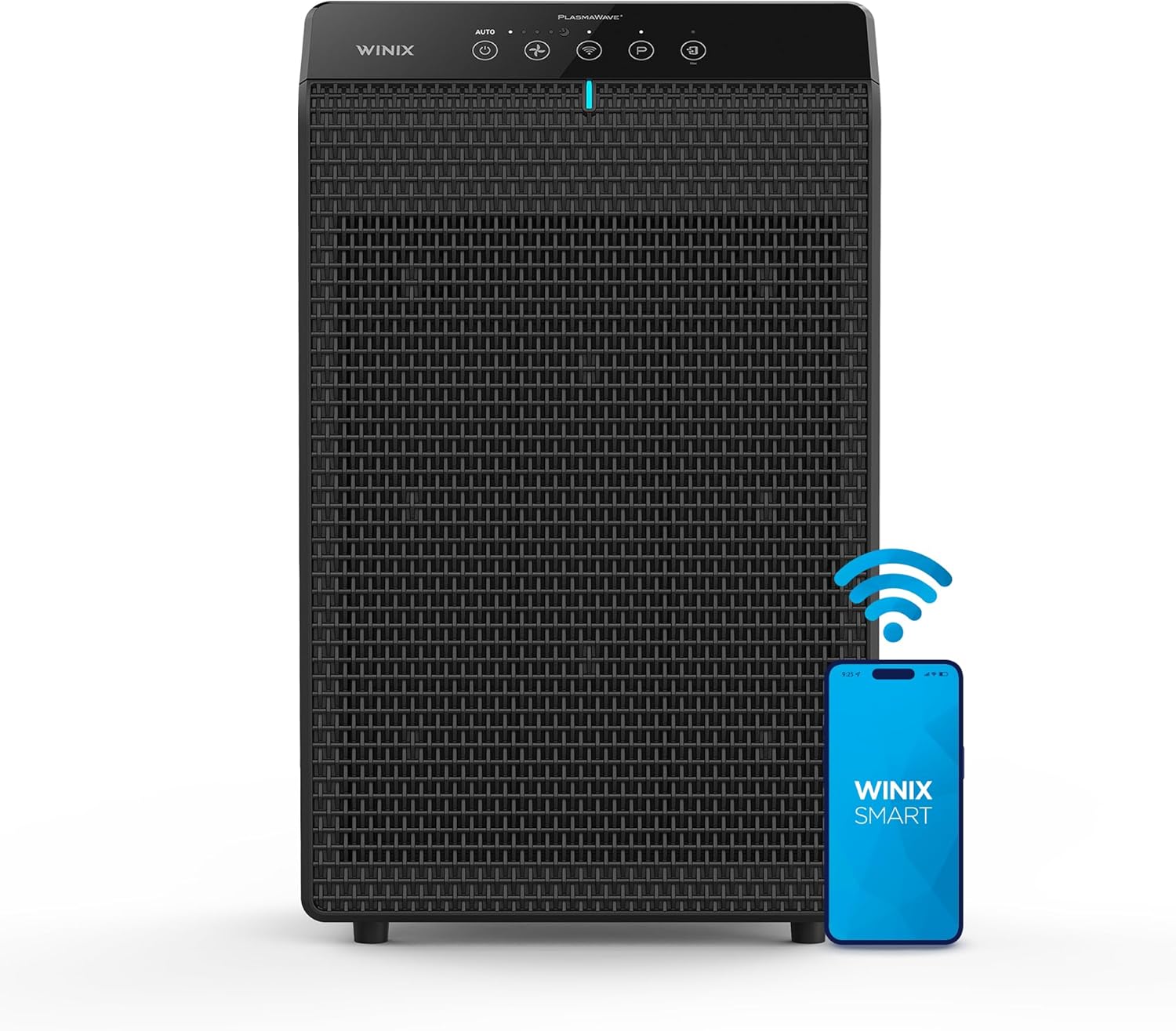
Most purifiers use several filter layers, each doing a different job. Knowing what each one does makes it far easier to compare models.
Pre-filter
The first layer catches the big stuff — hair, lint and coarse dust. It protects the finer filters behind it, and on many units it is washable, which saves money over time.
True HEPA (H13)
The workhorse. A genuine H13 HEPA traps 99.97% of particles at 0.3 microns: fine dust, pollen, mould spores, pet dander and smoke particles. This is the layer doing most of the cleaning.
Activated carbon
Carbon absorbs gases and odours — cooking smells, smoke and pet odour. Particle filters cannot do this, so if smell is your issue, check that carbon is included and reasonably thick.
Extras you may see
- Ioniser / PlasmaWave — charges particles so they clump together and are captured more easily. Usually switchable.
- UV-C — targets bacteria and mould; how well it works depends on exposure time.
- Filter-free designs — nothing to replace, which lowers running cost.
What to remember
The layers work together: pre-filter for size, HEPA for particles, carbon for smells. Choose based on the problem you actually have. See our range to compare filter setups.